
[ Case Study ]
[ Context ]

Aidan Roberts

Client: Arsenal FC Hospitality
Project: E-Commerce Maturity
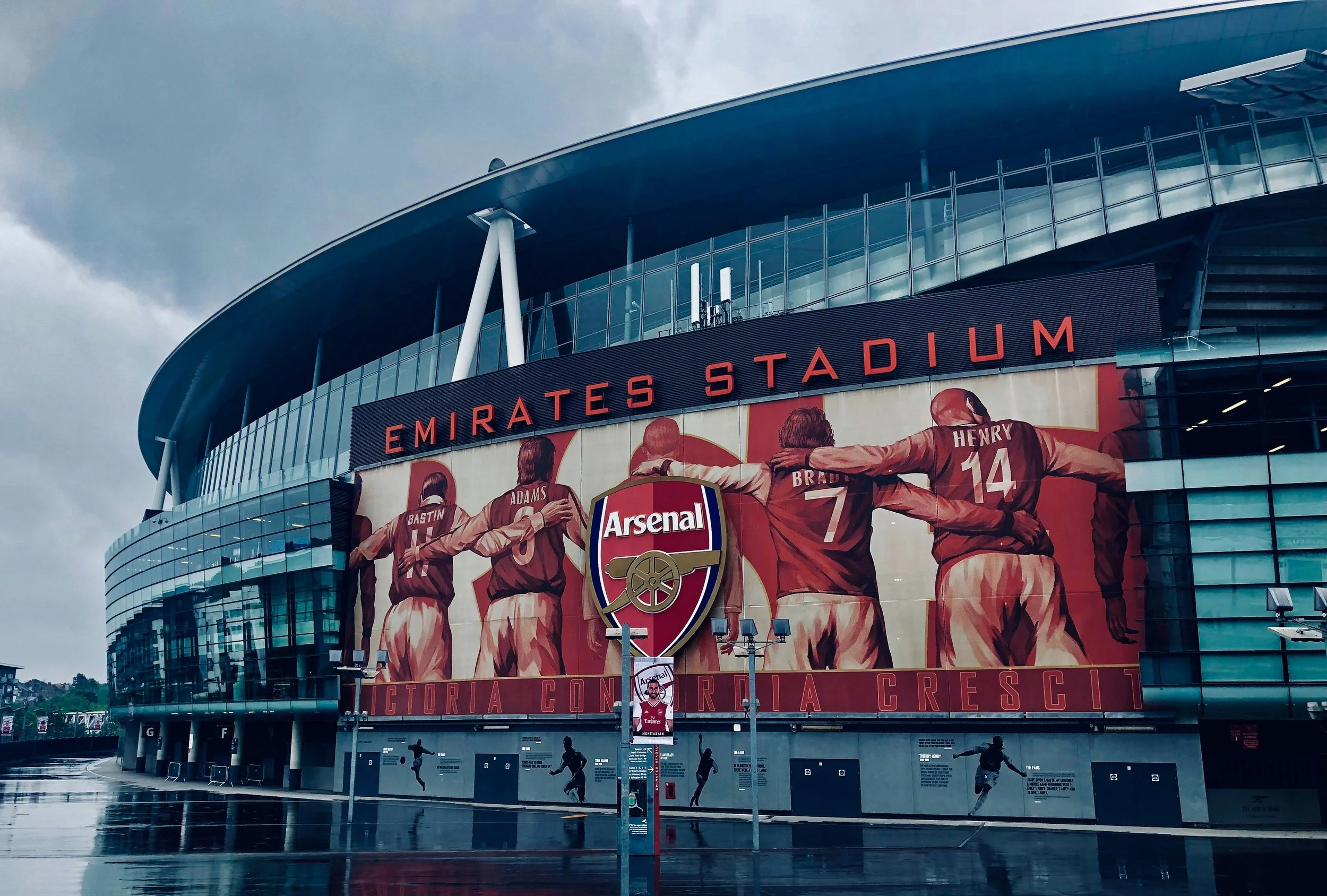
The 24/25 Season would be the first season of operations for Arsenal Hospitality’s new E-Commerce website. This represented a step change for the business unit as the new website enabled direct selling into the ticketing system saving considerable operational time and allowing the club to set hugely ambitious revenue targets for the year. It was therefore essential that we got off to a strong start and had the measures in place to track progress and adapt quickly.
Having lead the project to launch the new E-Commerce platform my role changed to Product Consultant and my primary objectives where to support the Head of Premium, the Sales Manager and Services Managers to deliver on their revenue, sales and retention targets.
All Hospitality match-by-match orders were now taken through the Hospitality Platform including through the sales site and via the sales team as a ‘MOTO’ sale.
[ Specification ]
-
Commercial
Achieve budget target of £14.5m gross revenue
90% Inventory sale per game
90% renewal of Seasonal Memberships
Website Performance
Uptime 99.9%
-
Align with club wide Digital Strategy
Integrate with SSO tool in order for supporters to conveniently access Hospitality with the same account used for the app, retail or .com websites
Enables a consolidated single supporter view of data
Deliver the projects that needed to be delivered such as Akamai CDN integration; Google Tag Manager tracking events
Integrate with dynamic pricing tool (Eventellect) in order to maximise pricing insights for as long as possible
-
The e-commerce platform sat central to almost every part of the business. Any significant outage would have meant:
Sales team unable to place orders
Ticketing team unable to managing seat allocations and issue tickets
Catering team unable to access accurate orders and dietary requirements
Content team unable to publish content
Finance team unable to reconcile transactions in an audit compliant way
Supporters unable to browse and purchase Hospitality packages
Members unable to manage their upcoming events including ordering food and beverages and making special requests
Marketing unable to access information to measure the efficacy of their campaigns
Every department relied on the website as part of their processes which lead to the generation of revenue and ensuring the supporters have the best possible experience at an event.
A failure to make a smooth transition would have been cataclysmic because there was a viable rollback option as the previous site was no longer secure and it was unable to process the volumes of orders that AFC needed to process in order to hit their commercial targets.

[ My Approach ]
-
I setup a one-month sprint based delivery model including a prioritised backlog, development tickets (user stories, tasks, bugs) managed in JIRA, a Sprint Planning, Sprint Demo and Retrospective
Facilitated stakeholders for each epic to gather input in order to shape the requirements
I personally used Figma to create components based on the current website and the AFC digital guidelines to prototype new features and journeys
The technical supplier would estimate following Sprint Planning
I would coordinate stakeholders to review the estimates and secure approval from the budget holder and then confirm the tickets to be included in the upcoming sprint
-
As we prepared for the ticket sof for the new season to go on-sale I ensured all 33 team members across 7 teams were training and comfortable with using the new tooling.
I made written user guides and demo videos available for people and encouraged them to self-serve whenever they came across a question or issue. As time passed new scenarios would come to light and together we would figure them out and update the documentation, ensuring learnings and updated guidance were available to all.
-
As part of the club-wide Project Management Office (PMO) I coordinated with teams to deliver rollouts of new integrations in parallel with other Club Sites such as Arsenal.com, Ticketing Hub, eticketing and the App. These included switching all account login and new supporter registrations through a new club owned Single Sign On app.
A new cloud hosting and security provided was provisioned during the season which became an urgent priority. And so I managed expectations with stakeholders and ensured that we could switch to this new provider thereby preventing production downtime.
-
The underlying application that the AFC Hospitality website was built on lacked common E-commerce practices that help the business understand how customers are engaging with the site and also some customer experience (CX) practices that have been shown to improve consideration, selection and conversions. I conducted competitor research of leading ticketing platforms such as Seat Geek, Stub Hub, Today Tix; sports club brands such as NFL Franchises, Premier League and leading Champions League clubs, and big sellers of ‘perishable goods’ such as EasyJet and Expedia Group.
I pulled together a report showcasing the best examples of uses of imagery, copy, iconography, video content; nudges and streamlined processes. Upon review with stakeholders we prioritised these using a matrix to highlight the ones we believed would have the biggest impact on our KPIs and with a measure of cost/effort to be achieved.
After this I organised a photography project to capture seat views from all of the Hospitality sections in the Emirates Stadium (Club Level and Box Level). The result were some beautiful and immersive shots that showcased an otherwise under emphasised benefit of purchasing Hospitality - some of the best seats in the stadium for enjoying the main event, the football. This addressed a common question that the sales team dealt with where supporters wanted to know where in the stadium they would be sat and whether those would be good seats.
-
The site had been designed before Arsenal adopted a new value to ‘Accelerate Women’s Football’. The Arsenal Women’s team began playing WSL Home Matches in the Emirates Stadium and a Hospitality offering was created. In order to sell these Women’s games and packages were added to the website, however this made the consideration stage overwhelming with over 20 different packages to decide between. In response I designed some new filtering tools for the user to help them quickly hone in on the best packages for their chosen event and the type of experience they were looking for.
Results
Exceeded the revenue target (£15.5m v £14.5m target)
Seasonal Renewals (98% actual v 95% target)
Integrated the Single Sign-on application on schedule
First club website to enable the shared Google Analytics and Google Tag Manager schema
Documented end to end systems and processes for the team of 33 people
Transition
I worked with the Head of Premium Services and Digital Product Lead to design roles and responsibilities to ensure business as usual and continuous improvement after my transition away. A Product Manager was recruited and onboarded. into the clients Digital Products team, supported by a Project Manager from the Hospitality business.
[ TESTIMONIAL ]

Asia Harbour-Brown
Product Manager, Arsenal FC
Your considered approach made sure we balanced the risks against the outcome. And thanks to your documentation & communication our team’s ways of working are now smoother and more collaborative!